Seaweed farming is the rapidly prospering aquaculture sector. Farmers cultivate diverse kinds of seaweeds incorporating dulse, bull kelp, ribbon kelp, and sugar kelp that are utilized in sushi, salsas, sauces, salads, seasonings, and additional food products.
Cultivated seaweed is furthermore an ingredient in cosmetics, animal meals, and fertilizer. Seaweed farms consume nutrients and carbon dioxide to cultivate.
The plantations can support enrich water quality and ease the consequences of ocean acidification in encompassing regions. The rapidly prospering aquaculture sector, Seaweed farming, can benefit agriculturists, communities, and the climate.
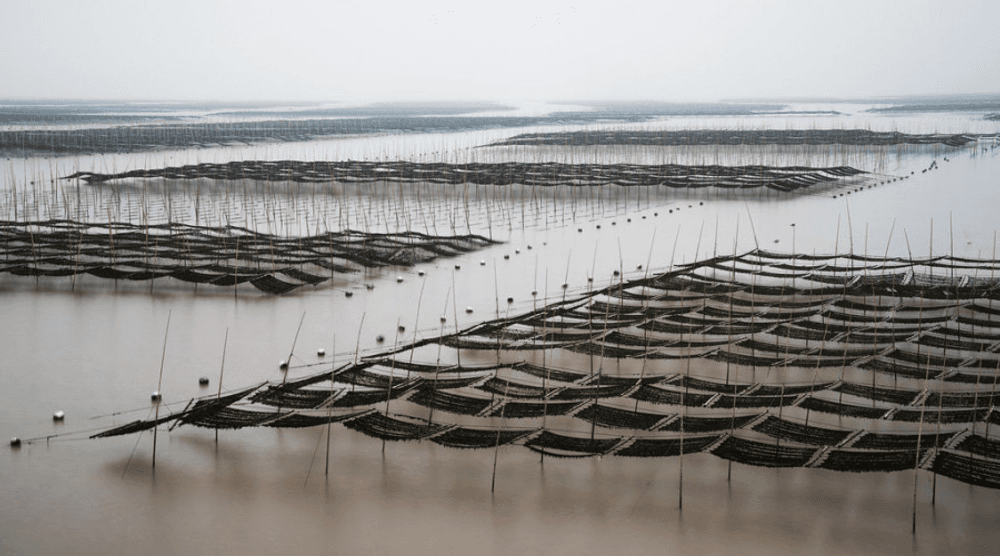
Seaweed is amicably simple to cultivate. For every climate and depth of water, there's a suitable species that will naturally grow. Seaweed farms wield thick cords or rope suspended in the water, a slightly similar to shellfish farms. The strings are planted with seaweed of the suitable species, then drenched in open regions of the sea and left to themselves.
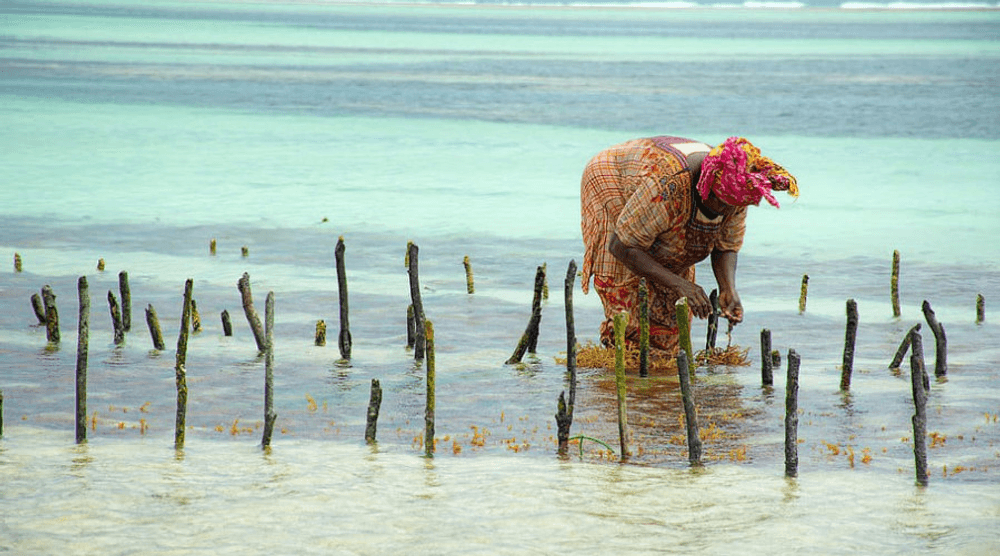
For fish farmers, commercial fishermen, and first-time agriculturists, seaweed proposes an opening to diversify a farming experiment or commence a fresh business. Seaweeds utilize the whole water section.
This implies agriculturists can cultivate seaweed employing a procedure recognized as vertical, or 3D farming and gather massive harvests from a tiny space. Most seaweeds cultivate on longlines suspended around 48 feet below the ground throughout the winter.
Their daggers will rise 10 feet or further before they are harvested in the spring. Research demonstrates that seaweed could play a significant function beyond serving as a source of nutrients and food, but furthermore in the battle against some of the disastrous problems haunting our planet today that are climate change and ocean pollution.
Environmental Benefits of Seaweed Farming
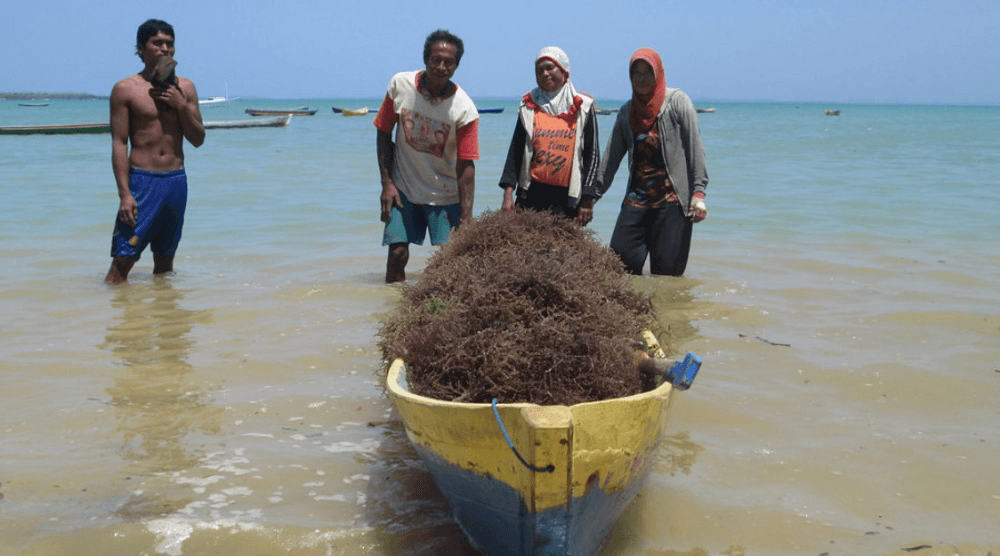
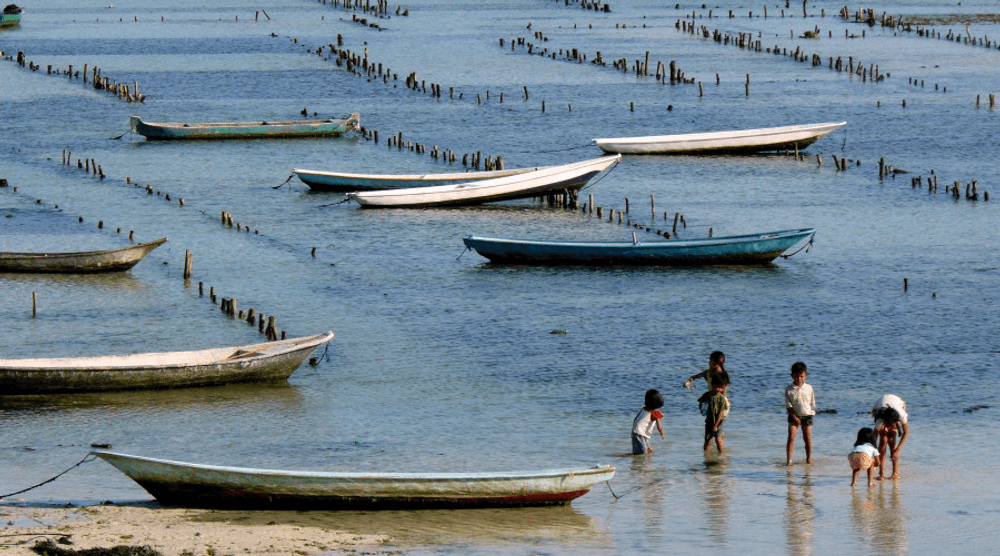
Seaweed farming is further crucial environmentally as it prompts regional people to conserve and respect their seawater and its resources. In less-developed nations, seaweed farming is an important source of employment and regional food production.
This lessens the burden on regional fish stocks and can decrease overfishing by lessening the economic requirement of fishing to keep up.
More Efficient Carbon Sequestering
Seaweed has the potential to absorb carbon just like different coastal plants, such as mangroves and seagrass, but with a sustainable bend. Rather than reserving CO2 near to the coast as the organic materials become suppressed in underwater soil, seaweed is further inclined to move distant into deep-sea residues since its habitat is extra rocky and deteriorated.
As the seaweed carbon is reserved farther off from the coast, it is less inclined to be unsettled and retreated back into the atmosphere.
In fact, macroalgae possess the potential to cut off 173 million metric tons of CO2 this manner annually, with approximately 90% of isolation happening through export to the deep ocean.
Combatting Ocean Acidification
The ocean is one of the planet's vastest carbon sinks, consuming and reserving carbon chemical compounds to decrease high concentrations of CO2 from the environment.
This natural procedure enables to maintain the Planet's carbon dioxide in the account, but recent surges in greenhouse gas emissions, primarily from the burning of fossil fuels, have resulted in too much CO2.
The outcome is ocean acidification, which results in enormous negative consequences on aquatic species, from sea spiders and octopus to fish and coral reefs.
That's where seaweed enters. Not merely does seaweed thrive quickly, but it furthermore sucks CO2 from the water to perform so.
A study was conducted this year comparing three seaweed farms in China discovered that surface water pH enhanced by 0.10 within the region, yielding sufficient to ease acidification.
Pollution Management
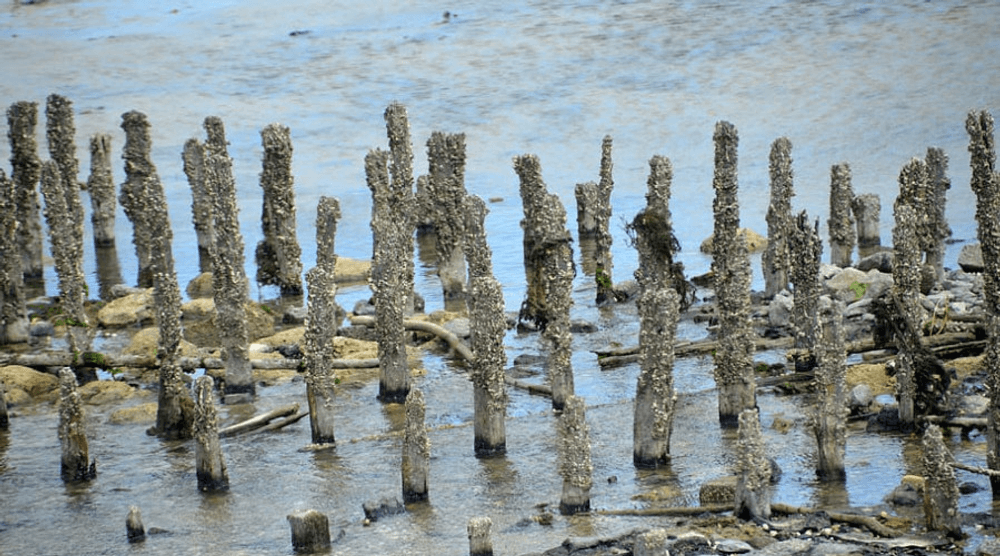
Seaweed isn't only useful at consuming up carbon dioxide, it furthermore functions as a sponge for bulky metals and different seaside contaminants.
Obviously, seaweed developed for this purpose couldn't be consumed thereafter, however, it definitely proposes a potentially reasonable, all-natural treatment to support enhance the condition of marine ecosystems.
These kinds of farms with enormous, fast-growing seaweed furthermore create and rehabilitate environments for fish and different species of ocean life, proposing a haven for endangered species.
Runoff is one of the most destroying kinds of ocean pollution, primarily because it is difficult to discover the precise origin. 82% of pollution to the marine surroundings arrives from the land, both vaster sources like fertilizers and pesticides from industrial-scale agriculture as well as minor dollars from contaminated tanks and vehicles.
Runoff can furthermore pick up different contaminants as it travels to enter a body of water, expanding an overabundance of nitrates like phosphorus and nitrogen that prompt environmental difficulties in the structure of dangerous algae blooms and low-oxygen ocean "dead zones."
Farming seaweed can decrease these nutrients while simultaneously generating oxygen, ameliorating both the reason and impact of these regions.
Conclusion
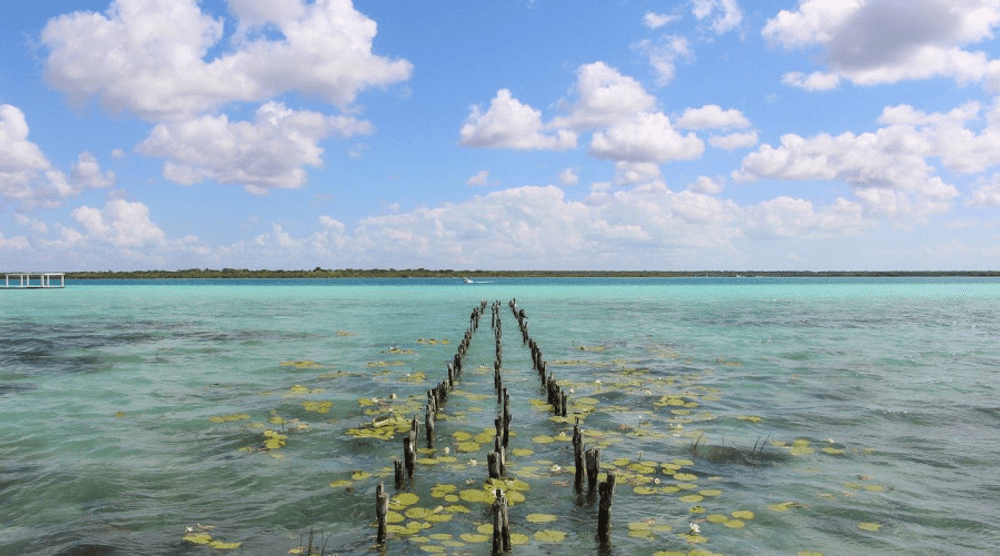
Farming cultivation if appropriately organized can give ecosystem services whilst cultivating marine reserves throughout the world.
Existing farming locations are commonly small-medium hierarchies and if discovered and governed with consideration to environmental receptors present a soft threat to the receiving climate and linked aspects.
Regardless, a growth of the industry necessitates a further complete knowledge of the scale-dependent modifications in order to completely evaluate and govern danger. Targeted examination and monitoring are accordingly expected to deal with understanding rifts and facilitate conscious judgment making during pledging of vaster undertakings.
The production of biologically associated hydrodynamic categories to assist the examination of risk, understand holding up the potential of water bodies and choose favorable locations which minimize adverse environmental modifications should be assessed with a prime emphasis in farming nations.
General proposals for common regulating comprise an emphasis on guaranteeing farm administration is suitable for goal and knowledge of the baseline circumstances, most notably natural community genetic assortment and algae disease prevalence is in spot.
Compulsory monitoring required at farming locations should be reasonable and established on an examination of threats particular to the location elements and the undertaking.
In time, a detailed bunch of principles for seaweed farming will potentially be formulated and enforced. This may incorporate numerous varied varieties of regulation managing characteristics such as the hereditary traits of farmed crops, farm layout, magnitude, reserving density, and materials utilized. This farming can support agriculturists, communities, and the climate.