The earliest evidence of human habitation in the region dates back to the Indus Valley Civilization, which thrived in the area from around 2600 BCE to 1900 BCE. Archaeological sites in and around Gurgaon have revealed artifacts from this ancient civilization, including pottery, tools, and jewelry.
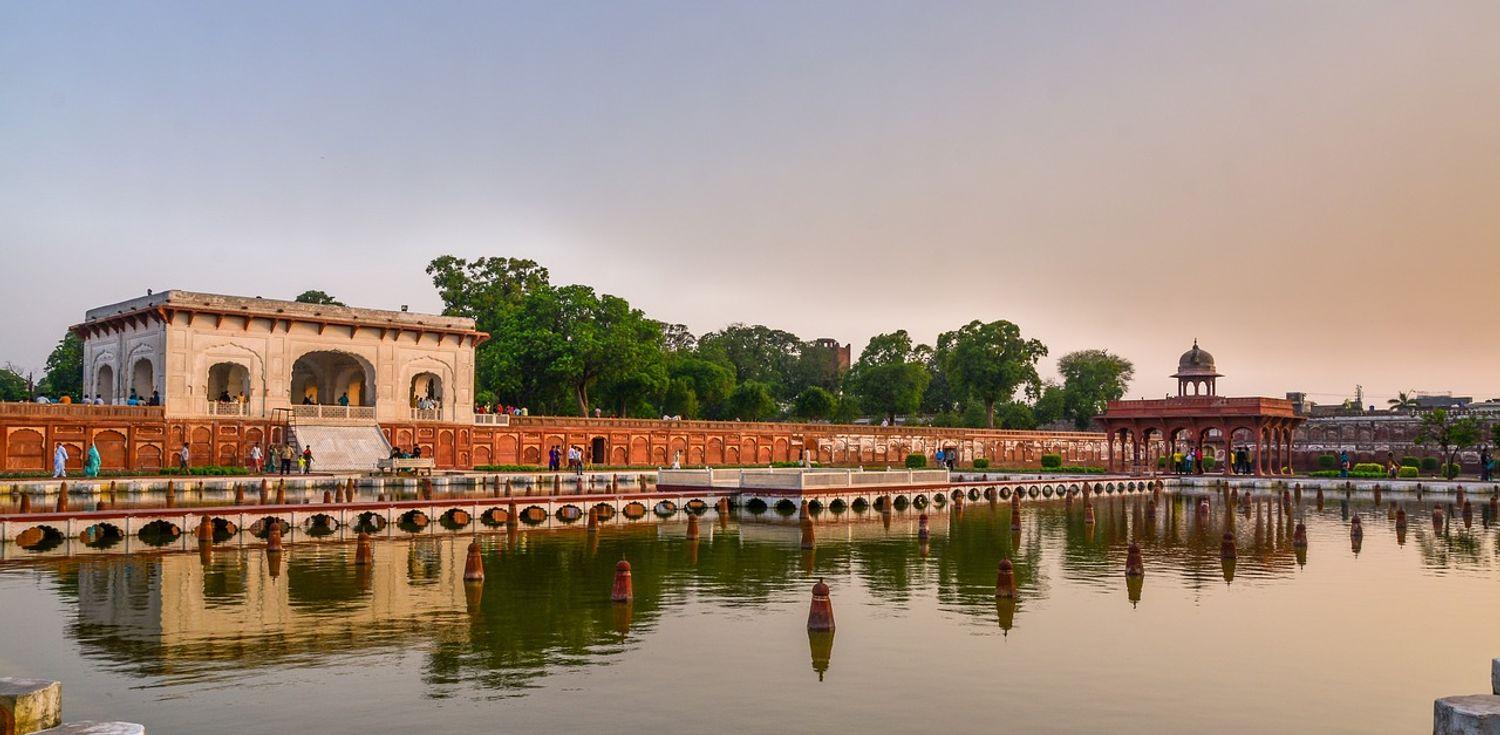
In the centuries that followed, the region was ruled by a succession of kingdoms and empires, including the Maurya Empire, the Gupta Empire, and the Mughal Empire. Gurgaon played an important role in the Mughal Empire, serving as a strategic outpost on the trade route between Delhi and Agra.
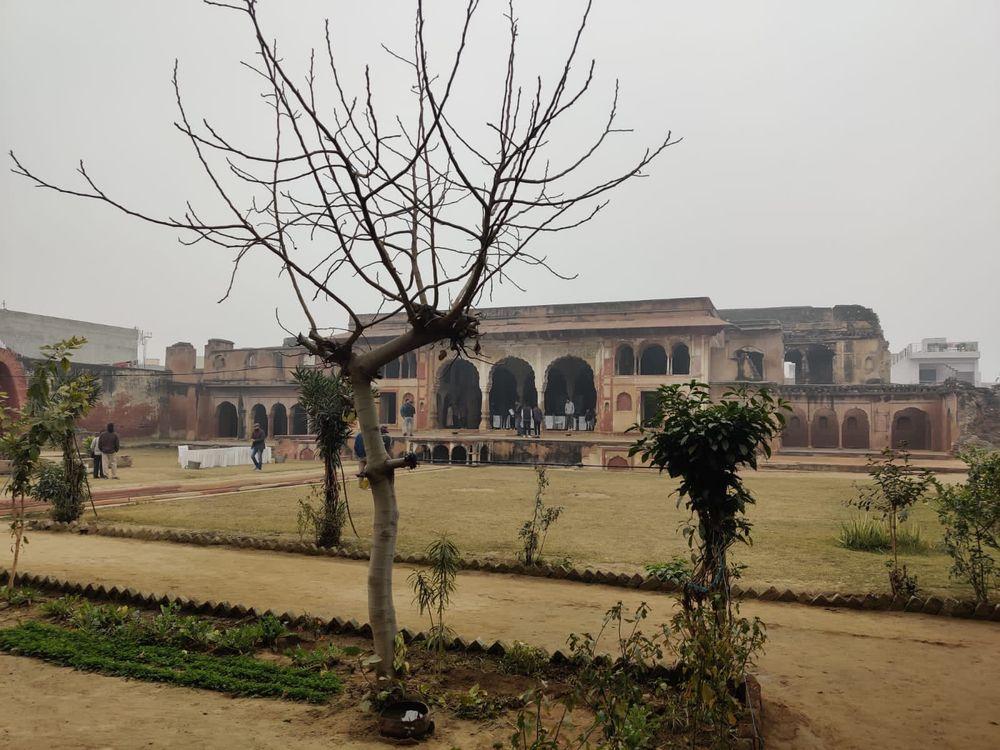
In the 18th century, the region came under the control of the Marathas, who were eventually defeated by the British in the early 19th century. Gurgaon was included in the British Indian Empire and became a district headquarters in 1821.
After India gained independence from British rule in 1947, Gurgaon remained a small agricultural town for many years. However, in the 1970s and 1980s, the Indian government began promoting industrialization and economic growth in the region. This led to the development of several major industries in Gurgaon, including automobile manufacturing, technology, and finance.
Since the turn of the 21st century, Gurgaon has experienced rapid growth and urbanization. The city has become a major hub for technology and outsourcing, attracting multinational corporations from around the world. Today, Gurgaon is one of the most prosperous and dynamic cities in India, with a thriving economy and a diverse population.
Explore some of the most significant historical places in Gurgaon:
1. Sultanpur National Park
Sultanpur National Park is a bird lover's paradise and a significant historical site in Gurgaon. The park was once the hunting ground for the local rulers, but in 1971, it was declared a bird sanctuary to protect migratory birds.

The park is home to over 250 species of birds, including the Siberian Crane, Sarus Crane, and Black-necked Stork. Visitors can enjoy a leisurely walk through the park's lush greenery, take a boat ride in the park's lake, and spot various species of birds.
Entry Fee: Indian Nationals: Rs. 10 per person
Foreign Nationals: Rs. 100 per person
Timings: Summer Timings (April to June): 6:30 AM to 7:00 PM
Winter Timings (October to March): 6:30 AM to 4:30 PM
2. Farrukhnagar Fort
The Farrukhnagar Fort, built-in 1732, is a significant historical landmark in Gurgaon. The fort was built by Nawab Faujdar Khan, a Mughal governor, and was used as a defense against invading forces. The fort is a perfect example of Mughal architecture and is an excellent place to learn about Gurgaon's rich history.

Visitors can explore the fort's ramparts, towers, and ancient water reservoirs and admire the intricate carvings on the walls.
Entry Fee:Free
Timings:9:00 AM to 6:00 PM (Open all days)
3. Dronacharya's Temple(pond)
Dronacharya's pond is an ancient pond located in Bhim nagar Gurgaon and is associated with the Hindu epic Mahabharata. The pond is named after Dronacharya, the legendary guru of the Kauravas and Pandavas.
The pond is believed to be the place where Dronacharya used to meditate and teach his disciples. The pond is surrounded by lush green trees and is a peaceful place to visit. Visitors can learn about the rich history and mythology associated with the temple and explore the nearby attractions, such as the ancient step well.
Entry Fee: Free
Timings: 9:00 AM to 6:00 PM (Open all days)
4. Badshahpur Fort
Badshahpur Fort is a historic fort located in Gurgaon and is associated with the Mughal Empire. The fort was built-in the 18th century and was used as a defense against invading forces.
The fort is an excellent example of Mughal architecture and is a must-visit for history buffs. Visitors can explore the fort's ramparts, towers, and ancient water reservoirs and admire the intricate carvings on the walls.
Entry Fee: Free
Timings: 9:00 AM to 6:00 PM (Open all days)
5. Khandsa Anaj Mandi
Khandsa Anaj Mandi is a historic market located in the city of Gurgaon The market has a rich history that dates back several centuries. The market is believed to have been established during the Mughal era, when the region was an important center of trade and commerce.
In the early 20th century, the British colonial authorities recognized the importance of Khandsa as a trading center and built a railway line connecting the market to other cities in the region.
This made it easier for goods to be transported to and from the market, further boosting its importance and influence. Today, Khandsa Anaj Mandi continues to be a vital center of trade and commerce in the region.
The market has modernized and expanded over the years, with new facilities and infrastructure added to meet the needs of the growing population. However, the market still retains its historic charm and character, and remains a popular destination for locals and visitors alike.
6. Sheetla Mata Mandir
Sheetla Mata Mandir is one of the most popular and historic places in Gurgaon. The temple is dedicated to Sheetla Mata, the goddess of smallpox, and is believed to have been built more than 500 years ago.

The temple is located in a tranquil setting, surrounded by lush green trees, and is a peaceful place to visit. Devotees flock to the temple, especially during the Sheetla Mata fair held in March-April, to seek the goddess's blessings.
7. Sheesh Mahal farukhnagar, Gurgaon
Sheesh Mahal Farukhnagar is a historic palace located in the town of Farukhnagar in the Gurgaon district of Haryana, India. It was built in the 18th century by Nawab Faujdar Khan, who was the governor of Farrukhnagar during the reign of the Mughal Empire.
The Sheesh Mahal Farukhnagar is known for its stunning architecture and intricate mirror work. The palace is built with red sandstone and features exquisite carvings and frescoes. The highlight of the palace is the intricate mirror work that covers the walls and ceilings of the palace.
The mirrors are arranged in intricate patterns and designs, and they reflect light in a dazzling array of colors.Over the years, the Sheesh Mahal Farukhnagar has undergone several restorations and renovations to preserve its historic beauty.
Today, the palace is open to the public as a museum, where visitors can explore the various rooms and halls of the palace, each of which is adorned with exquisite carvings, paintings, and decorative pieces.
Entry Fee: Free
Timings: 9:00 AM to 5:00 PM (Open all days)
8. Sohna Hill Fort, Gurgaon
Sohna Hill Fort is a historic fort located in the town of Sohna in the Gurgaon district of Haryana, India. It is situated on a hilltop and offers a panoramic view of the surrounding landscape.
It served as a strategic military outpost and was used as a base for several battles during the medieval period. The fort is built with red sandstone and features intricate carvings and frescoes that reflect the architectural and artistic styles of the time.
Over the years, the Sohna Hill Fort has undergone several restorations and renovations to preserve its historic beauty. Today, the fort is open to the public as a museum, where visitors can explore the various rooms and halls of the palace, each of which is adorned with exquisite carvings, paintings, and decorative pieces.
Entry Fee: Free
Timings: 9:00 AM to 5:00 PM (Open all days)
9. The Church of Epiphany, Gurgaon
The Church of Epiphany is a stunning historic landmark located in a peaceful neighborhood of Gurgaon, India. Standing tall for over 150 years, the church was consecrated by the Bishop of Calcutta in 1866, initially serving a small group of British officers in the area.
As you approach the main building, the Colonial-era architecture is impossible to miss, with tall windows, a small bell tower, and sloping roofs that exude an old-world charm. The Church of Epiphany is a remarkable example of British architecture in India and has been beautifully preserved over the years.
Located in Officers Colony, Civil Lines, the Church of Epiphany is a must-visit destination for anyone interested in history, architecture, and culture. The church is open to visitors, and there is no entry fee to explore its stunning interiors and learn about its rich history.
10. Sethani Ki Chhatri, farukhnagar, Gurgaon
Sethani Ki Chhatri, located in Farrukhnagar, Gurgaon, is a stunning cenotaph designed as a two-storied chhatri or dome-shaped pavilion. The structure features eight arched openings at each story and is adorned with decorative floral motifs throughout.
According to historical accounts, the chhatri was built in 1861 for the wife of a wealthy merchant. The structure's ceiling is adorned with beautiful frescos and inscriptions, including an inscription that dates back to the time of its construction.
Admission to this beautiful monument is free, making it an accessible and popular destination for tourists and locals alike.
In conclusion, Gurgaon is a city with a rich history and culture that is worth exploring. The historical places in Gurgaon mentioned in this article are just a few of the many places worth visiting. Visitors can learn about the city's past, explore its ancient sites, and admire its unique architecture. A trip to Gurgaon is not complete without experiencing its rich history and culture. We hope this article has provided you with valuable insights into the historical places in Gurgaon and helps you plan your next visit to this beautiful city.